Irreversible Vacation Lights That Blend Flawlessly with Your Roofline
Permanent vacation lighting made use of to carry a specific visual penalty. You either coped with noticeable plastic tracks and visible cords year-round, or you climbed up ladders every season and started over from the ground up. That compromise has transformed. The very best contemporary systems are developed to disappear right into the design when they are off, after that provide you crisp, controlled light specifically where you want it when they are on.
That difference matters more than the majority of homeowners anticipate. A roofline is one of the strongest visual functions of a home. It defines shape, proportion, and aesthetic appeal from the road. If lighting interrupts that line, the house looks hectic. If the system follows it easily and silently, the illumination feels intentional, virtually integrated in. The outcome is less like seasonal design and even more like an outside layout upgrade.
After seeing these systems on every little thing from small ranch homes to high two-story gables with difficult fascia information, something ends up being clear: the success of long-term holiday lights has much less to do with illumination and even more to do with restraint. Excellent style conceals the hardware, respects the roofline, and utilizes color and positioning with discipline.
What "smooth" truly looks like
When property owners say they desire permanent vacation lights that blend in, they normally mean two points at the same time. Initially, they do not wish to see the system during the day. Second, they do not want the nighttime effect to look harsh, dotted, or overdone. Those relate, but they are resolved in different ways.
Daytime invisibility comes down to installing location, track shade, cable management, and how well the installer checks out your house. Nighttime sophistication boils down to diode spacing, beam of light angle, illumination control, and shows. A system can be almost unnoticeable in daylight and still look affordable in the evening if the light is too blue, too intense, or inadequately spaced. On the other hand, even a moderate configuration can look fine-tuned if it throws a soft clean under the soffit and complies with the lines of the home cleanly.
That is why the expression Permanent LED Lights Installation must mean greater than simply attaching lights to trim. It needs to indicate a tailored installment that treats the home as a finished surface area, not a convenient area to attach hardware.
The roofline establishes the rules
Every residence tells you where the lights should go if you know just how to review it. Straight eaves on a colonial or craftsman home behave in a different way than the damaged heights and valleys on a contemporary suburban construct. Deep soffits produce softer showed light. Shallow overhangs commonly require a lot more mindful angle control. Dark fascia conceals components far better than intense white trim, yet white trim can look extremely tidy when the channel is shade matched correctly.
The finest installments usually place the fixtures under the soffit or simply behind the fascia line so the light tasks outside without revealing the specific diodes from the street. That surprise placement is what gives the roofline a radiance as opposed to a string-light look. It is refined when off, architectural when on.
On some homes, especially those with little overhang or unusual trim information, there is no best global installing factor. That is where experience programs. An installer may need to move placement a little to preserve proportion from the road, also if the dimensions are not similar section by area. Visual positioning issues more than mathematical pureness. A house is judged by the eye, not a tape measure.
I have seen one-story homes where a quarter inch distinction in disclose made no practical distinction, and I have seen front gables where a little disparity yelled from the aesthetic. Rooflines multiply tiny blunders. That is why a smooth result depends upon cautious design before a single clip or track goes up.
Why shade temperature matters more than lots of customers realize
A great deal of people first buy irreversible lights by taking a look at color options and application attributes. Those are enjoyable, but the everyday worth typically comes from the simplest setup: a warm white that flatters the home.
For numerous residential properties, specifically block homes, stone facades, typical exterior siding colors, and homes in established areas, Classic Cozy Soft Lights have a tendency to look better than icy white or very saturated colors. Warm light brings out structure in block and timber, softens darkness, and really feels extra welcoming from the street. It likewise stays clear of the business look that can happen when LEDs are too cool.
That does not imply warm light is constantly the right solution. Sharp contemporary homes with black home windows and crisp lines can bring a cleaner, cooler white without feeling sterile. The point is that the home itself need to assist the lighting combination. Not every residence requires the exact same "vacation" appearance. Actually, one of the most appealing irreversible vacation lights frequently invest most of the year doing downplayed tasks: a soft amber glow for outside suppers, subtle team colors on game day, mild white for night aesthetic allure, and then fuller scenes throughout the holidays.

Brightness matters equally as long as color temperature. Lots of house owners are amazed by exactly how little output they actually require. LEDs can be extreme. What looks festive in an item trial can look blazing on a peaceful domestic street. Dimming control is crucial. A home that glows gracefully at 30 percent often looks better than one blowing up at 100 percent.
The equipment must disappear
If you can spot the system from the driveway at midday, the setup missed the brief.
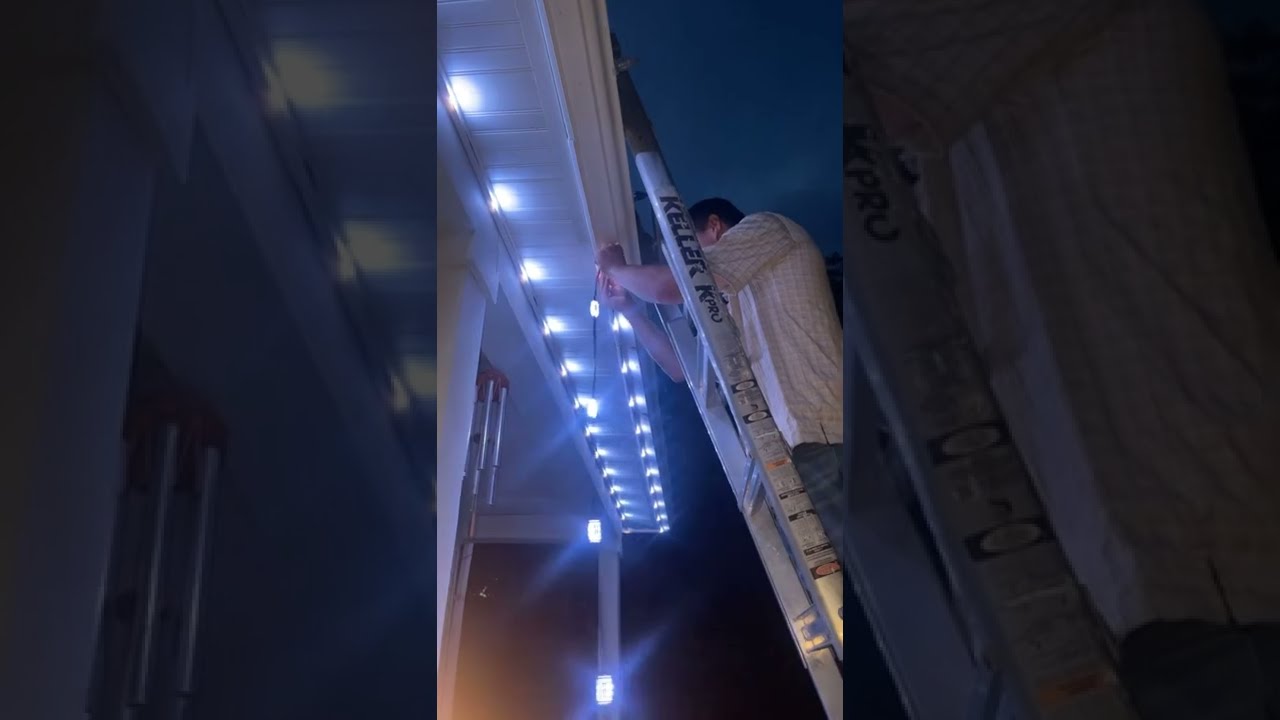
A tidy set up relies on several little choices interacting. The channel or track must match the soffit or fascia as very closely as feasible. Fasteners must be very discreet and ideal for the material. Wires need to be put, concealed, and transmitted with a plan, not curtained where the trim modifications instructions. Corners should look intentional, not required. Shifts around heights, returns, and rain gutter sections ought to protect straight aesthetic lines.
This is where less costly systems usually offer themselves away. The LEDs may function fine, yet the supporting equipment looks like a second thought. Noticeable loopholes of cord, irregular spacing, and tracks that do not sit flush against trim create a pieced-together look. It is hard to call that irreversible illumination. It looks short-term that never ever came down.
An expert Permanent LED Lighting Installation must make up greater than just electrical operation. It must represent climate exposure, expansion and contraction, drain near gutters, access to power, controller positioning, and what the system appears like from 5 various angles in daylight.
There is likewise a sensible difference in between concealing lights and burying issues. If a component ever requires solution, the system ought to remain available. The cleanest setups hide the hardware without making upkeep a frustration later.
Matching the illumination style to the architecture
One of the largest mistakes I see is picking a lights result that battles your home. The roofline may be classy and restrained, yet the programs is https://wetfixture581.quillnesty.com/posts/traditional-warm-soft-lights-the-ageless-seek-permanent-led-lighting-installation loud and troubled. Or the home may be spirited and modern-day, yet the positioning is so timid that the aesthetic effect disappears.
Traditional homes generally gain from steadier scenes, warmer tones, and softer shifts. Historic-style facades, dormers, and in-depth trim rarely need hostile movement impacts. The style already offers rhythm. The lighting needs to sustain it.
Modern homes can tolerate more comparison and sharper shade minutes, particularly if the lines are easy and the products are smooth. Also after that, discipline issues. A strong red-green cycle could help a couple of December evenings, however it can promptly overpower a carefully developed exterior.
Homes with multiple front-facing gables are a grandfather clause. They typically attract overlighting since there are a lot of sides to trace. Yet describing every line just as can flatten the house. Occasionally the far better relocation is to highlight the primary roofline and let secondary optimals play a sustaining duty. That maintains the home legible from the street.
A great installer will certainly have viewpoints regarding this, and that is typically an excellent indicator. You do not want somebody who simply states yes to every possible placement. You desire somebody that comprehends proportion.
Installation information that make or break the final look
There is a huge difference between "lights attached to the house" and a system integrated with your home. The space is comprised of details.
The initially information is spacing. Bigger spacing can decrease noticeable mess throughout the day, but it may develop irregular light during the night. Tighter spacing can improve the aesthetic line after dark, however only if illumination is regulated. On homes with reduced eaves and brief problems from the street, way too much spacing or way too much outcome comes to be obvious really quickly.
The 2nd information is angle. Some fixtures clean light versus the fascia and soffit, while others project extra external. A small change in angle can identify whether the result really feels soft and architectural or sharp and dotted.
The third is connection at corners and optimals. These are the areas where rushed work shows up. Straight runs are simple. Corners expose the installer's practices. A tidy edge keeps the aesthetic rhythm regular and avoids unpleasant spaces. On complicated rooflines, preserving also spacing with transitions calls for preparation, not improvisation.
The fourth is power and control placement. The cleanest-looking setup can still feel unfinished if the controller box is mounted where everyone can see it. Outside devices need to be shielded, available, and discreet.
The fifth is calibration after installation. Many systems provide countless colors, however the helpful job occurs in the initial hour of setup: establishing default illumination, choosing a credible warm white, stabilizing scenes throughout roof covering areas, and making certain one run does not appear brighter than one more. This step is frequently underestimated. It must not be.
A brief word on products and climate
Permanent holiday lights live outdoors all year. That sounds evident, however buyers occasionally shop as if they are choosing an indoor gizmo. Climate puts real stress on materials. Heat can affect adhesive-backed remedies. Freeze-thaw cycles anxiety fasteners and channels. Wind examinations any kind of section that is not placed securely. UV direct exposure reveals low-cost plastics quickly.
If you reside in an area with strong sun, coastal humidity, heavy snow, or quick temperature swings, ask particularly just how the system stands up in those problems. Ask what components are more than likely to put on first. Ask just how repair work are handled if an area fails. A great answer will sound functional, not theatrical.
There is no outdoor system that is entirely maintenance complimentary forever. Resilient is not the same as never-ceasing. The objective is a system constructed from weather-appropriate parts and set up with sensible expectations. On a well-executed job, you may go years with just periodic application updates or the rare service phone call. On a rushed job, the weak points typically expose themselves within the initial period or two.
Where permanent holiday lights make one of the most sense
These systems are not for everybody, yet they address a specific set of troubles quite possibly. They are particularly attractive for property owners that are tired of ladder job, have difficult roof access, or desire a more refined outside without seasonal inconvenience. Two-story homes, steep-pitch roofings, and residences with complex front elevations are frequently the best prospects since the effort of conventional designing is high and the visual reward of a permanent system is significant.
They also interest individuals that want more than Xmas illumination. That broader use situation matters. If the system just comes alive for a few weeks in December, the value formula can feel narrow. If it serves as year-round accent illumination for events, celebrations, subtle protection presence, and everyday aesthetic allure, the financial investment makes even more sense.
The home owners who end up happiest with irreversible vacation lights are usually the ones who desire flexibility but like downplayed results a lot of the moment. They appreciate options, yet they do not want their residence to look like a long-term occasion venue.
Questions worth asking before you commit
A fast product demo can be convincing, however installation high quality figures out whether you enjoy the system in 3 years.
Here are a few questions that cut through the sales language:
- Where specifically will the lights sit relative to the fascia and soffit, and will certainly I see the fixtures from the street throughout the day?
- Can the track or network be matched closely to my trim color?
- What does the warm white setting look like on my certain outside materials?
- How are corners, tops, and cable transitions handled on a home with my roofline?
- If a section stops working, just how is it serviced without disturbing the surrounding runs?
Those inquiries tend to disclose who is selling a product and who is preparing an installation.
The value of seeing a system on a genuine house
Showroom demos and short online clips rarely inform the entire tale. Preferably, check out a completed installation on a home that resembles your own in vogue or shade. Look at it in daylight initially. Stand across the street. Stroll the driveway. Notice whether the hardware catches your eye. After that look once more after dark and take notice of the texture of the light, not just the novelty of the colors.
This is usually where home owners alter their mind concerning what they desire. A brilliant cool white that seemed crisp on a phone display may feel raw on real exterior siding. A dazzling shade chase effect that looked amazing in a promo video clip may feel too busy on a quiet domestic block. By contrast, cozy dimmed roofline illumination often looks far better face to face than it performs in media due to the fact that its appeal is subtle.
If you are evaluating Permanent Vacation Lights for your very own home, trust fund the road view more than the app user interface. The application matters, however no one courts your house by your phone.
Cost, and what you are actually paying for
Pricing differs commonly by region, roof covering intricacy, item type, and installer experience. A basic one-story front elevation can land far listed below an intricate two-story cover with multiple optimals and long terms. What matters is understanding what the quote includes.
You are not just paying for LEDs. You are spending for style judgment, color-matched materials, risk-free gain access to, tidy transmitting, weather-ready installing, electric assimilation, arrangement, and support. On complex homes, labor and workmanship are commonly the real worth. A cheaper quote can be perfectly reasonable, but it can likewise mean shortcuts in cover-up, track high quality, use, or finish.
When contrasting bids, concentrate on what the system will certainly resemble when it is off. That is the condition it will certainly be in most of the year. A refined nighttime trial does not make up for daytime clutter.
The most common errors house owners regret
A couple of patterns turn up time and again, and a lot of are avoidable.

- Choosing a system based on app features before confirming just how invisible it searches in daylight
- Installing lights also subjected on the fascia, where the private nodes stay visible from the street
- Using illumination levels that overpower the architecture as opposed to enhance it
- Treating every roof side equally, which can make a home look level and overly busy
- Underestimating the relevance of cozy white adjusting and winding up with a cold, industrial feel
These are not tragic errors, however they are the factors some long-term illumination tasks look customized and others look generic.
A roofline must still look like a roofline
That may appear obvious, yet it is the very best examination for whether a system is working. When the lights are off, the roofline needs to review cleanly and normally, without a visible layer of hardware competing for attention. When the lights get on, the architecture should still lead. The lights needs to expose the shape of the house, not replace it.
That is the real assurance of a well-executed long-term lights system. It gets rid of the seasonal labor, yes. It adds convenience and programmability, yes. But the deeper worth is visual. It gives home owners a method to celebrate, captivate, and elevate visual appeal without compromising your house itself.
The greatest projects are the ones that reveal restriction. They use concealment, cautious placement, and attentively picked setups to make the illumination feel like part of the home. That is particularly true when the system leans into Classic Warm Soft Lights for day-to-day use and conserves the remarkable results for the moments that call for them.
If your objective is a house that really feels brightened in December and attractive in July, seamless combination with the roofline is not a small detail. It is the entire job.